Mastering Your September Harvest: Tips for Peak Flavor & Storage
September arrives with a symphony of rich colors and robust flavors, signaling the peak of the fall harvest season. For many gardeners, this transitional month represents the culmination of months of diligent effort, offering a rewarding bounty before the chill of winter sets in. Mastering your
september garden harvest isn't just about picking ripe produce; it's about optimizing flavor, extending storage life, and strategically preparing your garden for the seasons to come. This guide will walk you through essential tips to ensure your September efforts yield delicious rewards, both now and in the future.
Maximizing Your September Harvest: Daily Practices & Frost Prep
As days grow shorter and a crispness enters the air, a daily stroll through your garden becomes more than a pleasant pastime – it's a vital harvest inspection. Keep a keen eye on your food-producing areas, checking not only for ripening fruits and vegetables but also for any signs of pests or diseases that could compromise your final yield. Consistent watering remains crucial, especially if temperatures linger on the warmer side and natural rainfall is scarce. Adequate moisture is essential for fruit development and plant health right up to the final pick.
Perhaps the most critical September task, particularly for those in northern climes, is vigilant weather monitoring. September often flirts with the first frost, which can swiftly end the season for many tender plants. Have your frost cloths, stakes, and twine ready to deploy at a moment's notice. Knowing when to cover, or when to make that final, preemptive harvest, can save entire crops from ruin. For a detailed look at which crops need immediate attention as temperatures drop, explore our guide on
September Garden Harvest: Essential Crops to Pick Before Frost.
A Closer Look at Key September Crops & Their Secrets
Tomatoes & Peppers: The Last Hurrah
The vibrant red of a ripe tomato is an iconic summer image, but September often marks their grand finale. Most tomatoes should be harvested by the end of the month, especially before the first hard frost. Don't despair over those still-green fruits; they can be picked and brought indoors to ripen beautifully off the vine, extending your fresh tomato enjoyment for weeks. Simply place them in a paper bag or a warm spot, checking them periodically.
Peppers, on the other hand, often benefit from extra time on the vine. Allowing them to mature from green to red, yellow, or orange enhances both their sweetness and, for some varieties, their heat. If space allows, compact pepper plants can even be potted up and brought indoors to continue producing in a sunny window, turning them into temporary houseplants. As you enjoy their final bounty, remember to save seeds from your favorite, healthiest peppers for a head start on next year's crop – a simple act that truly embraces sustainable gardening.
Root Vegetables & Leafy Greens: Digging Up Goodness
Harvesting carrots requires a gentle touch to avoid snapping their delicate roots. If your soil is dense, a garden fork is your best friend; carefully loosen the earth around the carrot tops before lifting. While a shovel can work, it increases the risk of damaging longer roots. For those interested in seed saving, leave a few of your strongest carrot plants in the ground over winter. They will typically flower in the spring, providing seeds for future generations.
Swiss chard is a remarkably resilient leafy green that continues to thrive through September. Harvest the outer, larger leaves as needed, leaving the younger, inner leaves to continue growing. These tender young leaves are perfect for salads, while mature leaves can be steamed or sautéed. Any damaged or yellowing outer leaves can be composted, maintaining plant vigor and contributing to your garden’s future soil health.
Autumn's Jewels: Squash, Corn, and Orchard Delights
Late September is the prime time to begin harvesting pumpkins and other winter squash varieties. A critical step for extended storage is 'curing' them after picking. Leave your squash in a sunny spot for about 7-14 days; the sun’s warmth helps harden their skins, significantly increasing their shelf life through the cooler months. This curing process is what allows you to enjoy homemade pumpkin pie and roasted butternut squash well into winter.
Corn is a quintessential summer treat, and its fleeting perfection makes timely harvesting paramount. Look for silks that have turned brown and feel slightly sticky. A quick test involves piercing a kernel; if milky juice squirts out, it’s ready. Corn’s flavor diminishes rapidly after picking, so enjoy it immediately. Its peak sweetness is such that truly fresh corn can be grilled right in its husk without pre-soaking. You’ll know it’s ready when the ear snaps cleanly from the stalk with a downward pull.
Orchards also beckon in September, with apples reaching their peak. Ripe apples should detach easily from the branch – a gentle twist or an upward flip from beneath will usually do the trick. Like tomatoes, apples should be picked before the first hard frost. Backyard grapes, particularly those early-season varieties, are also at their prime in early September. Taste is your best guide for grapes; they won’t ripen further once picked. For an even broader look at the fruits and vegetables ready for your basket this month, check out our comprehensive
Your September Harvest Guide: From Tomatoes to Apples & Beyond.
Beyond the Basket: Preserving Your September Bounty
A successful
september garden harvest often yields more than can be consumed fresh, presenting a wonderful opportunity to preserve summer's flavors for the colder months. Effective preservation strategies not only prevent waste but also extend your enjoyment of homegrown goodness.
- Curing: Essential for winter squash and pumpkins, as mentioned, to harden skins for long-term storage in cool, dry conditions.
- Refrigeration: Leafy greens like Swiss chard, along with carrots, can be washed, dried, and stored in airtight containers or bags in the refrigerator for several weeks.
- Freezing: Blanching corn kernels before freezing locks in their sweetness. Sliced peppers, chopped tomatoes, and blanched beans also freeze beautifully, offering easy meal additions throughout winter.
- Canning & Drying: For larger yields, canning tomatoes or making pepper sauces, or drying herbs and some fruits, are time-honored methods to preserve your harvest.
- Seed Saving: Beyond peppers and carrots, many other open-pollinated varieties can provide seeds for next year. Ensure seeds are fully mature and thoroughly dried before storing them in cool, dark conditions.
Preparing for Next Season: Autumn Garden Chores
While the focus is understandably on the current
september garden harvest, this month is also a critical juncture for ensuring your garden’s health and productivity for the following year. It’s a time to both reap the rewards and prepare the foundation for future success.
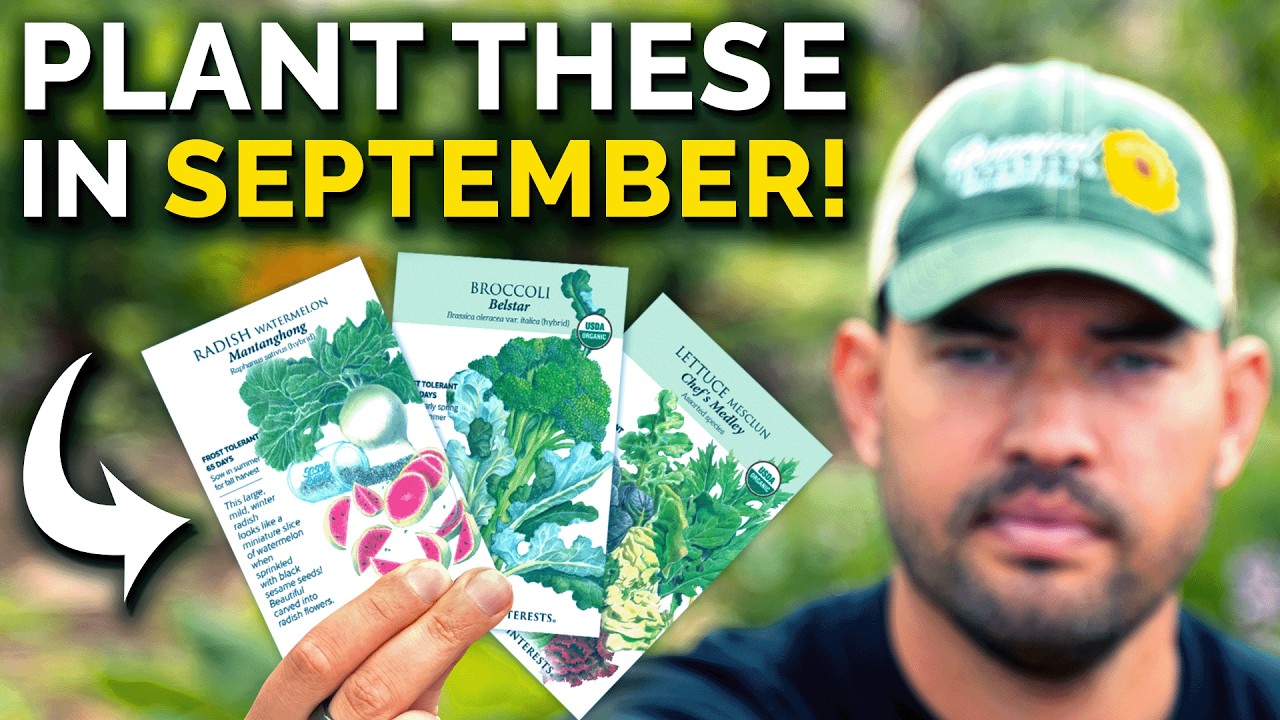
Begin the process of clearing away dead or spent foliage from annual plants. This not only tidies up your garden but also reduces hiding spots for pests and diseases that could overwinter. Compost healthy plant matter to return valuable nutrients to your soil. Consider planting overwintering crops like certain greens or garlic, or sowing cover crops such as clover or vetch. These 'green manures' protect the soil from erosion, suppress weeds, and enrich the soil with organic matter and nitrogen when tilled under in spring, significantly boosting your next season’s soil health.
September can also be an opportune time to expand your perennial collection. Many nurseries offer significant sales on trees, shrubs, and perennial flowers and edibles as the season winds down. Planting them now gives their root systems time to establish before winter, setting them up for robust growth in the spring.
September truly embodies the gardener's paradox: a bustling period of harvesting and preservation, juxtaposed with the quiet planning for the future. By paying close attention to your crops, understanding their unique needs, and taking proactive steps for both current yields and next year’s soil health, you can master your
september garden harvest. Embrace this dynamic month, celebrate your hard work, and savor the rich bounty that nature so generously provides, knowing you've laid the groundwork for even greater success.